
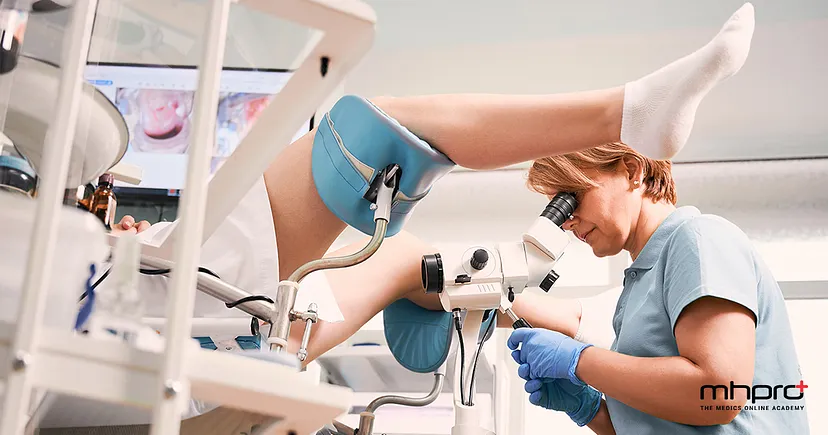
Cosmetic gynaecology is no longer sitting at the margins of women’s healthcare. Over the past few years, it has steadily moved from being viewed as a niche or purely aesthetic offering to becoming a structured and increasingly discussed extension of modern OB-GYN practice.
What began as interest in appearance-related procedures now includes vaginal rejuvenation, vulvar treatments, laser applications in gynaecology, regenerative approaches, pelvic floor optimization, and the management of female sexual dysfunction. The scope has expanded — and so has the conversation around it.
From a market research perspective, this evolution is becoming visible across professional education platforms and structured learning environments, including initiatives such as MasterHealthPro. The rising demand for advanced aesthetic gynaecology education reflects something larger than trend adoption. It points to a measurable shift in patient expectations and clinical service expansion.
This transformation is not simply marketing-driven; it is connected to broader changes in how intimate healthcare is perceived and delivered.
Growing Curiosity Around Vaginal Rejuvenation and Intimate Health
Search behaviour offers a useful lens into this shift. Terms such as laser vaginal tightening, labiaplasty procedures, vulvar depigmentation, treatment options for genitourinary syndrome of menopause (GSM), and solutions for stress urinary incontinence are appearing more frequently in online queries.
Women navigating postpartum recovery, menopausal transitions, or concerns related to sexual comfort are increasingly exploring minimally invasive solutions. The language around intimate wellness has become more open, more clinical, and more normalized.
As awareness expands, expectations naturally follow. Many patients now assume that gynaecologists will be familiar with modern aesthetic and functional interventions — not as cosmetic add-ons, but as part of comprehensive care.
This has created a parallel increase in interest among practitioners seeking professional upskilling in vaginal rejuvenation techniques and structured certification pathways in cosmetic procedures.
Beyond Appearance: A Broader Definition of Aesthetic Gynaecology
One of the most notable changes in this space is how the definition of aesthetic gynecology itself is evolving.
It is no longer framed solely around appearance. Instead, it increasingly integrates tissue health, hormonal balance, pelvic stability, and sexual function into a more holistic framework.
Vaginal tightening, vulvar rejuvenation, labiaplasty, and laser-based tissue remodeling are being discussed alongside regenerative gynecology techniques such as platelet-rich plasma (PRP), growth factor therapies, and biostimulatory treatments.
Energy-based devices, particularly laser applications in gynecology, have expanded non-surgical treatment options and reduced recovery times. This accessibility has accelerated both patient interest and practitioner curiosity.
Naturally, that curiosity leads to questions around structured education and safe implementation.
Why Structured Training Is Becoming Central
As with any expanding clinical domain, informal exposure is no longer enough. Short workshops and observational learning cannot replace comprehensive preparation when procedures involve intimate anatomy, laser safety, and regenerative interventions.
Healthcare professionals exploring advanced aesthetic gynaecology courses are looking for deeper foundations — detailed anatomical understanding, sexual response physiology, complication management strategies, ethical counselling frameworks, and integration with menopause care.
Clinical certification in cosmetic procedures is increasingly seen not as a marketing advantage but as a responsibility. The shift toward organized learning ecosystems reflects the professionalization of this field.
Institutions contributing to comprehensive education models are part of this movement toward integrated, curriculum-driven training structures. Platforms such as MasterHealthPro illustrate how cosmetic gynaecology education is being positioned within multi-disciplinary frameworks that connect anatomy, sexual medicine, laser technology, and regenerative science rather than isolating individual techniques.
This signals maturation rather than experimentation.
The Expanding Role of Laser in Gynaecology
Laser applications have become one of the most talked-about elements of modern aesthetic practice. From tissue tightening and management of mild stress urinary incontinence to support for menopausal atrophy, energy-based technologies are reshaping therapeutic possibilities.
However, device adoption alone does not define competency. Responsible implementation requires careful patient screening, awareness of HPV protocols, Pap smear compliance, STI evaluation, and clear anatomical precision.
Search interest around “laser vaginal treatment” and “laser certification in gynecology” suggests that both patients and practitioners are actively researching this area. The emphasis, increasingly, is on safe and standardized application.
Sexual Dysfunction and Regenerative Innovation
Another factor contributing to the rise of cosmetic gynaecology is the growing openness around female sexual dysfunction. Conditions such as hypoactive sexual desire disorder, genito-pelvic pain disorders, vaginismus, and post-cancer intimacy challenges are being discussed more transparently.
Regenerative approaches — including PRP, exosome-based methods, and bio stimulant therapies — are being explored for their potential to improve tissue quality and enhance comfort. While research continues to evolve, the merging of sexual medicine with aesthetic gynaecology reflects a broader transformation in how intimate healthcare is conceptualized.
Rather than separating functional concerns from aesthetic ones, modern approaches increasingly recognize their overlap.
Cosmetic Gynaecology as Strategic Practice Expansion
From a practice development perspective, expanding into cosmetic gynaecology represents more than service diversification. It reflects adaptation to patient-led demand for minimally invasive, quality-of-life–oriented solutions.
Clinics that invest in structured education and responsible integration are better positioned to provide sustainable intimate health services. Market indicators suggest that the transition from short-term aesthetic interest to formalized subspecialty development is being supported by more robust training infrastructure and clearer educational pathways.
This shift toward standardization strengthens long-term credibility.
Looking Ahead
Current trends point toward deeper integration between pelvic floor rehabilitation, menopausal management, regenerative therapies, and advanced laser applications.
As conversations around women’s intimate health continue to normalize, demand for practitioners trained in vaginal rejuvenation, vulvar procedures, sexual medicine, and minimally invasive aesthetic gynaecology techniques is likely to grow.
Cosmetic gynaecology is gradually positioning itself not as a cosmetic niche, but as a structured extension of comprehensive women’s healthcare — grounded in functional optimization, patient comfort, and quality-of-life enhancement.
Conclusion
The rise of cosmetic gynaecology reflects measurable changes in patient awareness, technological innovation, and professional education models. Advanced training in aesthetic gynecology, structured laser education, and integrated regenerative approaches are shaping the direction of intimate healthcare.
What distinguishes lasting evolution from temporary momentum is organization, ethical grounding, and standardized education.
From a research perspective, cosmetic gynaecology is not merely expanding — it is becoming more structured, more systematized, and more aligned with the broader future of women’s health.






Comments (0)
No comments yet. Be the first to share your thoughts!