
Ten years ago, most gynaecology practices focused primarily on fertility care, obstetrics, preventive screenings, and routine women’s health services.
Today, the conversation inside clinics is changing.
Across private practices and women’s wellness centres, more patients are actively seeking help for concerns that affect intimate comfort, sexual wellness, postpartum recovery, and overall quality of life. Issues that many women once considered “normal after childbirth” or “just part of aging” are now being discussed far more openly during consultations.
For many gynaecologists, this shift is creating a growing demand for services that sit at the intersection of functional medicine, regenerative therapies, and intimate wellness care.
Cosmetic gynaecology is becoming one of the fastest-evolving areas within modern women’s healthcare — not simply because of aesthetics, but because patient expectations themselves are changing.
The Growing Focus on Intimate Wellness
A decade ago, many women silently dealt with symptoms such as:
- Vaginal dryness
- Pain during intercourse
- Mild stress urinary incontinence
- Postpartum vaginal laxity
- Reduced sexual confidence
- Menopause-related discomfort
Even when these symptoms affected daily life or relationships, patients often delayed discussing them. Some assumed the symptoms were unavoidable after childbirth or menopause. Others simply felt embarrassed bringing them up during appointments.
That hesitation is slowly disappearing.
Gynaecologists today frequently report that patients are arriving better informed and more willing to discuss intimate health concerns than they were even five years ago. Social media, women’s wellness platforms, healthcare creators, and online patient communities have all contributed to greater awareness around female sexual health and pelvic wellness.
At the same time, advances in regenerative medicine and energy-based technologies have expanded the range of non-surgical treatment options available in clinical practice.
Importantly, most patients are not looking for dramatic cosmetic changes.
They are usually looking for something much more practical: improved comfort, better function, greater confidence, and relief from symptoms that may have affected their quality of life for years.

The Forces Driving Demand
Several healthcare trends are accelerating the growth of cosmetic and regenerative gynaecology worldwide.
Increased Awareness Around Women’s Sexual Health
Women today are far more proactive about researching healthcare options online. Treatments that were once rarely discussed publicly — including laser vaginal rejuvenation, PRP-based therapies, and radiofrequency procedures — are now widely visible across wellness media and patient education platforms.
As awareness grows, clinics are seeing more patients specifically asking about non-surgical intimate wellness procedures during consultations.
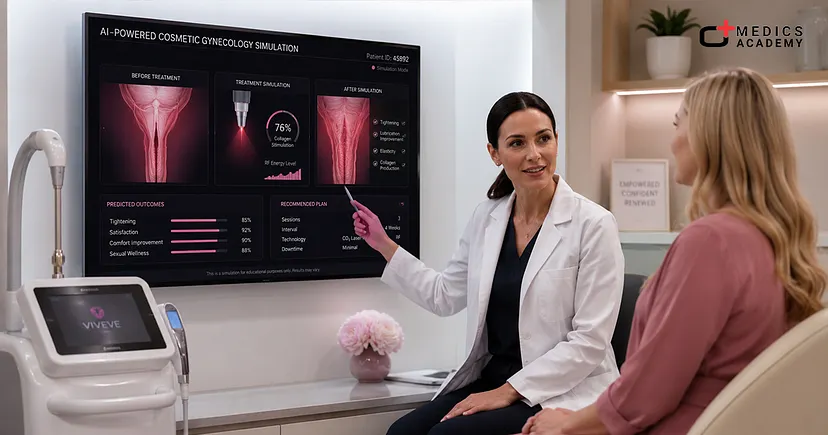
Patient consultations have become increasingly important as women seek more information about non-surgical intimate wellness treatments, including laser vaginal rejuvenation and regenerative therapies. This consultation-focused overview provides additional insight into how these conversations are evolving in modern clinics: laser vaginal rejuvenation consultation process
Rising Interest in Minimally Invasive Treatments
Many patients prefer procedures that involve:
- Minimal downtime
- Lower procedural risk
- Faster recovery
- Non-surgical approaches
- Little disruption to daily life
This preference has significantly increased demand for office-based intimate wellness procedures that can be performed without major surgery.
Postpartum Recovery Is Being Viewed More Holistically
Postpartum care is no longer limited to physical healing alone.
Many women now seek support for pelvic comfort, intimacy concerns, urinary symptoms, and confidence after childbirth. In some practices, postpartum wellness consultations have become an important driver of patient interest in regenerative and functional gynaecology services.
Interestingly, several clinics also report that menopause-related consultations are now generating just as much interest in intimate wellness procedures as postpartum recovery — something that was far less common a decade ago.
Greater Awareness of Menopause and GSM
Awareness around Genitourinary Syndrome of Menopause (GSM) has expanded significantly in recent years. Research suggests that a large percentage of postmenopausal women experience symptoms such as dryness, irritation, urinary discomfort, and painful intercourse, yet many remain untreated for years.
As public discussion around menopause becomes more open, more patients are actively exploring treatment options that improve daily comfort and sexual wellness.
Treatments Patients Are Actually Asking About
Many gynaecology clinics are now integrating services such as:
- Laser vaginal rejuvenation
- Radiofrequency vaginal tightening
- PRP for intimate wellness
- Treatment for stress urinary incontinence
- Management of vaginal dryness and GSM
- Menopause-related intimate healthcare
- Counselling for female sexual dysfunction
- Functional and regenerative gynaecology procedures
- Selected aesthetic gynaecology treatments

One reason these services are expanding quickly is that many can be incorporated into existing gynaecology practices without major infrastructure changes.
For clinics, this creates opportunities to diversify services while strengthening long-term patient relationships.
Many clinics are also exploring how aesthetic and regenerative procedures can support long-term practice growth and patient retention. Clinics interested in the business side of cosmetic gynaecology can also explore this detailed breakdown on how aesthetic procedures are helping increase clinic revenue.
But the rapid growth of the field has also created new challenges.
Technology Alone Is Not Enough
One of the biggest misconceptions surrounding cosmetic gynaecology is that outcomes depend mainly on devices or technology.
In reality, patient safety and treatment success depend far more on clinical judgment, anatomy knowledge, communication skills, and appropriate patient selection.
Experienced practitioners often emphasize that intimate wellness treatments involve both physical and psychological aspects of care. Patients may arrive with anxiety, unrealistic expectations, misinformation from social media, or years of frustration after feeling uncomfortable discussing symptoms elsewhere.
Managing those conversations responsibly requires far more than procedural training alone.
Successful practitioners in this field typically combine:
- Strong pelvic anatomy expertise
- Understanding of sexual medicine
- Ethical treatment planning
- Patient counselling skills
- Awareness of contraindications and complications
- Evidence-based procedural knowledge
As demand increases, patients are also becoming more selective about who they trust. Many now actively research practitioner qualifications, treatment safety, and clinic credibility before booking consultations.
Why Training Is Becoming More Important

As the specialty grows, more gynaecologists are seeking structured training programs that combine practical education with evidence-based clinical learning.
Demand for advanced education in regenerative and aesthetic gynaecology is also growing rapidly worldwide, particularly in areas involving laser vaginal rejuvenation, RF technologies, and functional intimate wellness procedures. You can explore more about the expanding training market in cosmetic gynaecology here: Cosmetic Gynaecology Training Market Growth
Areas of growing interest include:
- Regenerative gynaecology
- Energy-based intimate treatments
- PRP applications in women’s wellness
- Female sexual dysfunction management
- Menopause-related intimate care
- Functional gynaecology integration
- Patient assessment and ethical counselling
Importantly, the most respected training programs today focus not only on procedural techniques, but also on long-term outcomes, complication management, patient communication, and ethical practice standards.
That broader approach reflects how the field itself is evolving.
The Field Is Growing — But So Is Scrutiny
As cosmetic gynaecology becomes more mainstream, the specialty is also facing increasing scrutiny around ethics, marketing claims, and evidence standards.
Some critics argue that parts of the industry have become overly commercialized, particularly when clinics promote unrealistic outcomes or market procedures aggressively without proper patient evaluation.
This has made responsible practice even more important.
Most experienced practitioners agree that long-term success in this field depends less on marketing and more on patient trust, transparency, clinical judgment, and ethical care.
For many patients, these concerns are deeply personal and emotionally sensitive. Poor communication or inappropriate treatment recommendations can significantly damage trust.
That is why careful patient selection and realistic expectation-setting remain essential.
Clinics That Adapt Early May Have an Advantage
Cosmetic and regenerative gynaecology is still in an early growth phase in many healthcare markets.
For gynaecologists who approach the field responsibly, developing expertise now may offer several long-term advantages:
- Stronger differentiation from competing clinics
- Expansion into wellness-focused care models
- Improved patient retention
- Increased word-of-mouth referrals
- Access to high-value elective procedures
- Stronger long-term patient engagement
More importantly, many of these treatments address quality-of-life concerns that patients may have struggled with silently for years.
When approached ethically and evidence-based, intimate wellness care can become both clinically meaningful and professionally rewarding.
Women’s Healthcare Is Becoming More Integrative
In many ways, the rise of cosmetic gynaecology reflects a broader shift happening across women’s healthcare.
Patients today increasingly expect care that addresses not only disease management, but also:
- Comfort
- Function
- Recovery
- Sexual wellness
- Confidence
- Long-term quality of life
That shift is reshaping modern gynaecology.
Cosmetic gynaecology is not replacing traditional women’s healthcare. Rather, it is expanding the scope of what many patients now expect from comprehensive care.
The opportunity for clinics is significant, but long-term success in this space will likely depend less on trends or devices — and far more on ethics, clinical expertise, patient trust, and responsible treatment planning.






Comments (0)
No comments yet. Be the first to share your thoughts!