
For Course Consultation
Contact Us
Refer & Earn
Course Fee - INR 150000
Accredited By



SASSM Fellowship in Male Infertility – Hybrid Programme integrates six months of self-paced online learning with five days of structured onsite practical training. The online component covers the scientific foundations, investigation and clinical management of male infertility, with relevant aspects of female sexual dysfunction, reproductive technologies, surgical demonstrations and laboratory procedures. The onsite component provides guided clinical, laboratory, simulation and operating-theatre learning focused on translating course knowledge into assessed practical skills.


Self-paced online learning + onsite practical training

6 months online + 5 days onsite practical training
Credits: 115 CPD Hours

Hours of effort
2.5 hours/ week
 Clinical Implications of Hypothalamus-Pituitary-
Gonadal (HPG) axis
Understanding the workup for male infertility,
including the importance of the physical examination
Semen analysis and its role in clinical diagnosis
and decision making
Restate the limitations of the primary semen
analysis and importance of advanced semen analysis
Assessment of common reversible causes of
infertility and their treatments
Microsurgical videos on various reconstructive
procedures in male infertility
Various laboratory video spectrum of basic and
advanced semen analysis, sperm preparation to cryo freezing and
thawing
Embryology laboratory videos of various ART
procedures
Recognize when to refer a patient for ART
Understanding detailed female sexual cycle
Detailed assessment of female sexual dysfunction
and their treatments
Evaluation of male fertility with clinical
diagnosis
Select the appropriate diagnostic
investigations for fertility evaluation and formulate a plan
for management
Selection of optimal method for the
management of the infertile couple, surgically or medically,
considering the specific characteristics of each case
Recognize infertility due to a genetic basis
Select the appropriate treatment methods for
minimizing the psychological burden to the couple
Empower clinicians to perform surgical
procedures with confidence at clinical level
Evaluation of female sexual dysfunction with
treatment
Medical graduates
postgraduate students in Urology
General Surgery
Gynecology, and Reproductive medicine
Embryologists
Psychiatrists
Lab technicians in the field of
Andrology and Embryology
MBBS doctors
Doctors who have completed Post Graduation in their respective field
Must be a South Asian Society for Sexual Medicine (SASSM) Member
The case for men's health
Development of the Male Reproductive
System
Spermatogenesis and Spermiogenesis
Sperm Transport and Maturation
Seminal Plasma and Its Role
Hypothalamus and Pituitary Disorders
Interpretation Of Abnormal Semen Analysis
WHO 5th & 6th Manual - Differences and Clinical Implications
Hormonal Evaluation
Relevance of Inhibin, 17 Hydroxy Progesterone / FSH Receptor Assay
Genetic evaluation - Karyotyping, Y chromosome and CFTR Genetic Testing and Relevance
Radiological Evaluation : What, When and Why
Inflammation and Sexual Dysfunction
Donor Insemination - Principles of banking and Optimizing Success
Role of Environment in Male Infertility
Management of Anejaculation & Erection and Ejaculatory Dysfunction Relevant to Fertility
Spinal Cord Injury and Male Infertility
Overview of IUI vs IVF vs ICSI and guidelines for clinical practice
ART law in India and ethics in management
Adoption
Optimizing sperm in azoospermia - medical options
Fertility preservation strategies in infertile men
Male Infertility guidelines
Devices in Andrology
Low Intensity Shock Wave Therapy - The challenges & utility in Indian subcontinent
History, Investigation & classification of the problem
Hypoactive sexual desire disorder(HSSD) in women
Medical Management of Female Sexual Dysfunction: Critical Evaluation of Drugs
Don't know whether I have orgasms
UTI and Sex
Treatment of Vaginismus
Dyspareunia
Urological issues with Sex
Flibanserin
Mistakes in Use of PDE5 Inhibitors Leading to Failure of Therapy
Using PDE5I's
Testosterone/DHEA
Post-Menopausal Syndrome
Male Infertility clinical cases - Seminal Plasma Abnormalities
Sperm retrieval techniques: Critical answers for decision making
Micro TESE - Clinical challenges
Varicocele and Infertility
Semen analysis, IUI & Vitrification / Cryofreezing
ICSI-IVF-IMSI-PICSI
Practise structured consultations, examination skills, scrotal ultrasound and interpretation of male-infertility investigations under appropriate supervision
Apply semen-analysis methodology, laboratory quality control, sperm preparation, advanced assessment and cryopreservation techniques in guided practical exercises
Observe surgical decision-making and selected operating-theatre procedures, with parallel clinician and laboratory skill pathways where specified
Use consent, biosafety, witnessing, traceability, communication and case-based decision-making standards throughout the onsite training
Demonstrate progress through a baseline assessment, practical logbook and structured final competency assessment
Document supervised clinical assessment tasks, including simulated patient histories, physical examination, scrotal imaging and diagnostic decision-making
Generate assessed laboratory outputs and records for semen analysis, quality management, sperm function testing, preparation and cryopreservation
Record structured operative observations and demonstrate assigned model-based microsurgical or rare-sperm handling skills, according to the applicable training pathway
Complete practical exercises in ART handover, counselling, consent, safety and laboratory/service planning
Complete the onsite six-station OSCE and logbook review, with faculty feedback and a personal development plan
S1.1 Orientation, baseline assessment, biosafety and consent induction | 30 min
Training activities: Review programme structure, assessment rules and passing requirements; complete a baseline proficiency test and induction on biosafety, consent, chaperones and confidentiality.
Practical outcome: Baseline proficiency score recorded against participant ID; signed biosafety and confidentiality undertaking completed; individual logbook issued.
S1.2 Structured andrological and sexual history (simulated patients) | 60 min
Training activities: Conduct simulated reproductive and sexual-history consultations, covering anabolic steroids and testosterone, unconsummated marriage and confidentiality for both partners.
Practical outcome: Three consultations logged and scored by faculty and simulated patients; exogenous androgen use correctly recognised as the cause of azoospermia in the scripted case.
S1.3 Physical examination of the infertile male | 75 min
Training activities: Practise orchidometry, testicular consistency and epididymal assessment, palpation of both vasa, standing/supine varicocele grading with Valsalva, penile/rectal examination and androgen-status assessment.
Practical outcome: Complete a model examination followed by at least three supervised examinations of consented patients; orchidometry within one bead of faculty on three of four assessments, with the vas identified in every patient. Three examinations logged.
S1.4 Point-of-care scrotal ultrasound and colour Doppler | 75 min
Training activities: Set up a scrotal ultrasound probe and perform a systematic survey; measure testicular volume using the ellipsoid formula and assess pampiniform veins and reflux with Valsalva; identify urgent pathology and state TRUS indications.
Practical outcome: At least two diagnostic-quality patient scan reports documented; volume measurements within 15% of faculty estimates; all do-not-miss findings recognised in a 20-image test set. Two scans logged.
S1.5 Diagnostic interpretation workshop: hormones, genetics, algorithm | 60 min
Training activities: Interpret hormone panels with sampling-time and assay caveats; distinguish primary, hypogonadotropic, obstructive and normogonadotropic causes; apply karyotype, Y-chromosome microdeletion and CFTR results to management decisions.
Practical outcome: Classify at least eight of ten unseen reports with the next investigation justified; identify both cases in which retrieval should not be offered; construct a personal diagnostic evaluation algorithm.
S2.2 Macroscopic examination | 30 min
Training activities: Evaluate liquefaction, true hyperviscosity, gravimetric volume, appearance, pH and odour; interpret low volume together with low pH as a possible obstructive pattern.
Practical outcome: Measure volume within 0.1 mL of reference on three consecutive samples, manage a hyperviscous specimen appropriately, and correctly connect low volume/low pH with possible obstruction.
S2.3 Motility assessment and replicate agreement | 60 min
Training activities: Assess the four WHO 6th edition motility categories (rapid progressive, slow progressive, non-progressive and immotile), counting 200 spermatozoa per replicate; apply acceptable-difference rules and repeat discordant counts rather than averaging.
Practical outcome: Achieve WHO-limit agreement in three of four replicate pairs and progressive motility within reference-reader tolerance; correctly repeat a discordant pair. Four assessments logged.
S2.4 Sperm concentration on improved Neubauer; azoospermia protocol | 60 min
Training activities: Perform dilution, haemocytometer loading and improved Neubauer counting (200 per replicate); calculate sperm concentration and total number; centrifuge the complete specimen and inspect the entire pellet to distinguish azoospermia from cryptozoospermia.
Practical outcome: Agree with the reference reader within acceptable difference on three of four samples; correctly identify the blinded cryptozoospermic sample. Four sample assessments logged.
S2.5 Sperm morphology: smear, stain, strict criteria | 75 min
Training activities: Prepare feathered smears, including viscous and low-count samples; apply Papanicolaou and rapid staining, strict Tygerberg morphology criteria over 200 cells and teratozoospermia index (TZI); differentiate sperm, immature germ cells and debris.
Practical outcome: Produce an assessable smear on first attempt in two of three samples and normal-form scores within teaching-set tolerance on two of three slides; identify globozoospermia and complete tail defects with management implications. Three exercises logged.
S2.6 Vitality, round cells and constructing an actionable report | 45 min
Training activities: Choose between eosin–nigrosin and hypo-osmotic swelling (HOS) vitality tests; distinguish leucocytes from immature germ cells using the peroxidase (Endtz) test; construct reports documenting method, WHO edition, replicate agreement, uncertainty and interpretation.
Practical outcome: Correctly classify leucocytes versus germ cells on a blinded slide and interpret an immotile-but-viable sample; submit reports that meet faculty quality requirements. Two complete end-to-end semen analyses logged.
S3.2 CASA and automation: hands-on and method validation | 45 min
Training activities: Set up CASA equipment and select chambers; interpret sperm-kinematic measures, identify debris miscounts, collision artefacts and undercounting at low concentration, and validate automation against manual reference counts.
Practical outcome: Prepare a paired manual-versus-automated comparison and agreement conclusion; identify both planted artefacts and draft a laboratory method-validation protocol
S3.3 Advanced sperm function tests: performing them and knowing when not to | 75 min
Training activities: Perform and score the sperm chromatin dispersion (halo) assay and calculate DNA fragmentation index (DFI); compare non-interchangeable assay platforms, judge when advanced testing changes management and interpret oxidative stress/antisperm antibodies.
Practical outcome: Score DFI within reference tolerance; correctly select the three of six vignettes warranting advanced testing and defend non-testing in the other three; demonstrate balanced counselling on raised DFI. Three exercises logged
S3.4 Sperm preparation and advanced selection | 75 min
Training activities: Perform density-gradient and swim-up sperm preparation; calculate recovery and total progressive motile count; compare evidence for MACS, microfluidics, PICSI and IMSI when considering IUI, IVF or ICSI.
Practical outcome: Complete both preparations with recovery calculations; select IUI versus ICSI appropriately for four of five post-preparation datasets and the preparation approach for four difficult-sample scenarios. Two preparations logged.
S3.5 Cryopreservation, vitrification, cryogenic safety and banking governance | 45 min
Training activities: Practise slow-freezing and thawing, post-thaw survival and straw-number planning, rare-sperm vitrification, liquid-nitrogen safety, inventory control, double witnessing, chain of custody and ART Act storage consent.
Practical outcome: Complete a freeze–thaw cycle and straw-number recommendation, pass the cryogenic safety checklist unprompted, complete witnessing without a traceability break and draft a storage consent form
S4.2 Live operating theatre — structured scrubbed observation | 105 min
Training activities: Observe relevant scheduled microsurgical cases (micro-TESE, subinguinal varicocelectomy and/or vasal reconstruction); examine procedural steps, complications prevented and intraoperative decision points.
Practical outcome: Log two structured operative observations with annotated decisions; explain observed procedures back to faculty and identify the testicular artery on video replay.
S4.3 The laboratory half of sperm retrieval | 75 min
Training activities: Practise mincing and enzymatic preparation of testicular tissue, systematic inverted-microscope sperm search, differentiation from spermatids/debris, selection of viable immotile sperm and theatre–laboratory feedback and stop decisions.
Practical outcome: Document two tissue-search exercises; correctly process the specimen, make no false-positive sperm identification in the blinded preparation and appropriately select viable sperm in an immotile preparation.
S4.4 Parallel streams — microsurgery skills lab / rare-sperm handling | 75 min
Training activities: Clinician pathway: microscope ergonomics, micro-instrument handling, 9-0/10-0 knot-tying, model anastomosis and patency testing. Laboratory pathway: rare-sperm carrier loading, warming and single-sperm recovery.
Practical outcome: Clinician pathway: at least 15 timed 10-0 knots and one model anastomosis, with DOPS rating and entrustment level recorded. Laboratory pathway: recover one spermatozoon from a warmed carrier with intact traceability.
S5.2 Special situations: anejaculation, spinal cord injury, retrograde ejaculation, viral-positive samples | 45 min
Training activities: Set up penile vibratory stimulation and recognise autonomic dysreflexia; explain electroejaculation risks, identify and process retrograde specimens, and design segregated workflows for HIV, hepatitis B and hepatitis C samples.
Practical outcome: Set up the device and state the dysreflexia response protocol; process a simulated retrograde specimen and report recovery; prepare a compliant viral-positive sample workflow for the participant’s centre.
S5.3 Devices and office andrology procedures | 45 min
Training activities: Practise Li-ESWT and vacuum erection device handling, intracavernosal injection on a model, the priapism protocol, penile duplex interpretation, penile prosthesis counselling and the development of an oncofertility pathway.
Practical outcome: Complete supervised Li-ESWT on a phantom and model-based injection to checklist standard; state the priapism protocol, interpret four duplex studies and draft a fertility-preservation referral/banking pathway.
S5.4 Consent, counselling and breaking bad news (simulated couple) | 45 min
Training activities: Practise ART Act and Surrogacy Act consent, breaking news of non-obstructive azoospermia or failed retrieval, counselling about donor gametes and adoption, recognition of unconsummated marriage, and commercial-practice ethical dilemmas.
Practical outcome: Complete a simulated-couple consultation rated by faculty and simulated patients; draft a cryostorage consent and identify deficient clauses in an example consent form.
S5.5 Setting up and costing your own andrology service | 30 min
Training activities: Design an andrology laboratory footprint with unidirectional workflow, three tiers of costed equipment and consumables, staffing/competency matrix, pricing and break-even model, and referral pathways.
Practical outcome: Prepare a one-page costed service plan reviewed and countersigned by faculty; identify the three highest-value initial equipment purchases for the selected tier.
S5.6 Summative assessment, logbook sign-off, feedback and certification | 75 min
Training activities: Demonstrate core clinical and laboratory competencies under observation; review minimum logbook requirements, receive criterion-referenced feedback and develop a written plan addressing remaining gaps.
Practical outcome: Complete a six-station OSCE evaluated against the programme’s borderline-regression cut score, a signed logbook meeting all minimums, baseline-to-exit proficiency comparison and individual development plan; certification remains subject to meeting all requirements
The theory examination will be conducted by Ankur Healthcare
The practical examination, comprising clinical assessments, logbook discussions and a general viva, will be conducted by Ankur Healthcare Hospital
Examination results will be announced within one week after the examination
Candidates who do not appear for the examination will not be offered a supplementary examination. They must appear as fresh candidates when the examination is next conducted
Six short questions, 5 marks each (30 marks).
Thirty multiple-choice questions (MCQs), 1 mark each (30 marks).
Two short cases, 10 marks each (20 marks).
Ten spotters, 2 marks each (20 marks)
Logbook assessment covering 10 different cases, 1 mark each (10 marks)
General viva, 30 marks (30 marks)
Clinical Implications of Hypothalamus-Pituitary-
Gonadal (HPG) axis
Understanding the workup for male infertility,
including the importance of the physical examination
Semen analysis and its role in clinical diagnosis
and decision making
Restate the limitations of the primary semen
analysis and importance of advanced semen analysis
Assessment of common reversible causes of
infertility and their treatments
Microsurgical videos on various reconstructive
procedures in male infertility
Various laboratory video spectrum of basic and
advanced semen analysis, sperm preparation to cryo freezing and
thawing
Embryology laboratory videos of various ART
procedures
Recognize when to refer a patient for ART
Understanding detailed female sexual cycle
Detailed assessment of female sexual dysfunction
and their treatments
Evaluation of male fertility with clinical
diagnosis
Select the appropriate diagnostic
investigations for fertility evaluation and formulate a plan
for management
Selection of optimal method for the
management of the infertile couple, surgically or medically,
considering the specific characteristics of each case
Recognize infertility due to a genetic basis
Select the appropriate treatment methods for
minimizing the psychological burden to the couple
Empower clinicians to perform surgical
procedures with confidence at clinical level
Evaluation of female sexual dysfunction with
treatment
Medical graduates
postgraduate students in Urology
General Surgery
Gynecology, and Reproductive medicine
Embryologists
Psychiatrists
Lab technicians in the field of
Andrology and Embryology
MBBS doctors
Doctors who have completed Post Graduation in their respective field
Must be a South Asian Society for Sexual Medicine (SASSM) Member
The case for men's health
Development of the Male Reproductive
System
Spermatogenesis and Spermiogenesis
Sperm Transport and Maturation
Seminal Plasma and Its Role
Hypothalamus and Pituitary Disorders
Interpretation Of Abnormal Semen Analysis
WHO 5th & 6th Manual - Differences and Clinical Implications
Hormonal Evaluation
Relevance of Inhibin, 17 Hydroxy Progesterone / FSH Receptor Assay
Genetic evaluation - Karyotyping, Y chromosome and CFTR Genetic Testing and Relevance
Radiological Evaluation : What, When and Why
Inflammation and Sexual Dysfunction
Donor Insemination - Principles of banking and Optimizing Success
Role of Environment in Male Infertility
Management of Anejaculation & Erection and Ejaculatory Dysfunction Relevant to Fertility
Spinal Cord Injury and Male Infertility
Overview of IUI vs IVF vs ICSI and guidelines for clinical practice
ART law in India and ethics in management
Adoption
Optimizing sperm in azoospermia - medical options
Fertility preservation strategies in infertile men
Male Infertility guidelines
Devices in Andrology
Low Intensity Shock Wave Therapy - The challenges & utility in Indian subcontinent
History, Investigation & classification of the problem
Hypoactive sexual desire disorder(HSSD) in women
Medical Management of Female Sexual Dysfunction: Critical Evaluation of Drugs
Don't know whether I have orgasms
UTI and Sex
Treatment of Vaginismus
Dyspareunia
Urological issues with Sex
Flibanserin
Mistakes in Use of PDE5 Inhibitors Leading to Failure of Therapy
Using PDE5I's
Testosterone/DHEA
Post-Menopausal Syndrome
Male Infertility clinical cases - Seminal Plasma Abnormalities
Sperm retrieval techniques: Critical answers for decision making
Micro TESE - Clinical challenges
Varicocele and Infertility
Semen analysis, IUI & Vitrification / Cryofreezing
ICSI-IVF-IMSI-PICSI
Practise structured consultations, examination skills, scrotal ultrasound and interpretation of male-infertility investigations under appropriate supervision
Apply semen-analysis methodology, laboratory quality control, sperm preparation, advanced assessment and cryopreservation techniques in guided practical exercises
Observe surgical decision-making and selected operating-theatre procedures, with parallel clinician and laboratory skill pathways where specified
Use consent, biosafety, witnessing, traceability, communication and case-based decision-making standards throughout the onsite training
Demonstrate progress through a baseline assessment, practical logbook and structured final competency assessment
Document supervised clinical assessment tasks, including simulated patient histories, physical examination, scrotal imaging and diagnostic decision-making
Generate assessed laboratory outputs and records for semen analysis, quality management, sperm function testing, preparation and cryopreservation
Record structured operative observations and demonstrate assigned model-based microsurgical or rare-sperm handling skills, according to the applicable training pathway
Complete practical exercises in ART handover, counselling, consent, safety and laboratory/service planning
Complete the onsite six-station OSCE and logbook review, with faculty feedback and a personal development plan
S1.1 Orientation, baseline assessment, biosafety and consent induction | 30 min
Training activities: Review programme structure, assessment rules and passing requirements; complete a baseline proficiency test and induction on biosafety, consent, chaperones and confidentiality.
Practical outcome: Baseline proficiency score recorded against participant ID; signed biosafety and confidentiality undertaking completed; individual logbook issued.
S1.2 Structured andrological and sexual history (simulated patients) | 60 min
Training activities: Conduct simulated reproductive and sexual-history consultations, covering anabolic steroids and testosterone, unconsummated marriage and confidentiality for both partners.
Practical outcome: Three consultations logged and scored by faculty and simulated patients; exogenous androgen use correctly recognised as the cause of azoospermia in the scripted case.
S1.3 Physical examination of the infertile male | 75 min
Training activities: Practise orchidometry, testicular consistency and epididymal assessment, palpation of both vasa, standing/supine varicocele grading with Valsalva, penile/rectal examination and androgen-status assessment.
Practical outcome: Complete a model examination followed by at least three supervised examinations of consented patients; orchidometry within one bead of faculty on three of four assessments, with the vas identified in every patient. Three examinations logged.
S1.4 Point-of-care scrotal ultrasound and colour Doppler | 75 min
Training activities: Set up a scrotal ultrasound probe and perform a systematic survey; measure testicular volume using the ellipsoid formula and assess pampiniform veins and reflux with Valsalva; identify urgent pathology and state TRUS indications.
Practical outcome: At least two diagnostic-quality patient scan reports documented; volume measurements within 15% of faculty estimates; all do-not-miss findings recognised in a 20-image test set. Two scans logged.
S1.5 Diagnostic interpretation workshop: hormones, genetics, algorithm | 60 min
Training activities: Interpret hormone panels with sampling-time and assay caveats; distinguish primary, hypogonadotropic, obstructive and normogonadotropic causes; apply karyotype, Y-chromosome microdeletion and CFTR results to management decisions.
Practical outcome: Classify at least eight of ten unseen reports with the next investigation justified; identify both cases in which retrieval should not be offered; construct a personal diagnostic evaluation algorithm.
S2.2 Macroscopic examination | 30 min
Training activities: Evaluate liquefaction, true hyperviscosity, gravimetric volume, appearance, pH and odour; interpret low volume together with low pH as a possible obstructive pattern.
Practical outcome: Measure volume within 0.1 mL of reference on three consecutive samples, manage a hyperviscous specimen appropriately, and correctly connect low volume/low pH with possible obstruction.
S2.3 Motility assessment and replicate agreement | 60 min
Training activities: Assess the four WHO 6th edition motility categories (rapid progressive, slow progressive, non-progressive and immotile), counting 200 spermatozoa per replicate; apply acceptable-difference rules and repeat discordant counts rather than averaging.
Practical outcome: Achieve WHO-limit agreement in three of four replicate pairs and progressive motility within reference-reader tolerance; correctly repeat a discordant pair. Four assessments logged.
S2.4 Sperm concentration on improved Neubauer; azoospermia protocol | 60 min
Training activities: Perform dilution, haemocytometer loading and improved Neubauer counting (200 per replicate); calculate sperm concentration and total number; centrifuge the complete specimen and inspect the entire pellet to distinguish azoospermia from cryptozoospermia.
Practical outcome: Agree with the reference reader within acceptable difference on three of four samples; correctly identify the blinded cryptozoospermic sample. Four sample assessments logged.
S2.5 Sperm morphology: smear, stain, strict criteria | 75 min
Training activities: Prepare feathered smears, including viscous and low-count samples; apply Papanicolaou and rapid staining, strict Tygerberg morphology criteria over 200 cells and teratozoospermia index (TZI); differentiate sperm, immature germ cells and debris.
Practical outcome: Produce an assessable smear on first attempt in two of three samples and normal-form scores within teaching-set tolerance on two of three slides; identify globozoospermia and complete tail defects with management implications. Three exercises logged.
S2.6 Vitality, round cells and constructing an actionable report | 45 min
Training activities: Choose between eosin–nigrosin and hypo-osmotic swelling (HOS) vitality tests; distinguish leucocytes from immature germ cells using the peroxidase (Endtz) test; construct reports documenting method, WHO edition, replicate agreement, uncertainty and interpretation.
Practical outcome: Correctly classify leucocytes versus germ cells on a blinded slide and interpret an immotile-but-viable sample; submit reports that meet faculty quality requirements. Two complete end-to-end semen analyses logged.
S3.2 CASA and automation: hands-on and method validation | 45 min
Training activities: Set up CASA equipment and select chambers; interpret sperm-kinematic measures, identify debris miscounts, collision artefacts and undercounting at low concentration, and validate automation against manual reference counts.
Practical outcome: Prepare a paired manual-versus-automated comparison and agreement conclusion; identify both planted artefacts and draft a laboratory method-validation protocol
S3.3 Advanced sperm function tests: performing them and knowing when not to | 75 min
Training activities: Perform and score the sperm chromatin dispersion (halo) assay and calculate DNA fragmentation index (DFI); compare non-interchangeable assay platforms, judge when advanced testing changes management and interpret oxidative stress/antisperm antibodies.
Practical outcome: Score DFI within reference tolerance; correctly select the three of six vignettes warranting advanced testing and defend non-testing in the other three; demonstrate balanced counselling on raised DFI. Three exercises logged
S3.4 Sperm preparation and advanced selection | 75 min
Training activities: Perform density-gradient and swim-up sperm preparation; calculate recovery and total progressive motile count; compare evidence for MACS, microfluidics, PICSI and IMSI when considering IUI, IVF or ICSI.
Practical outcome: Complete both preparations with recovery calculations; select IUI versus ICSI appropriately for four of five post-preparation datasets and the preparation approach for four difficult-sample scenarios. Two preparations logged.
S3.5 Cryopreservation, vitrification, cryogenic safety and banking governance | 45 min
Training activities: Practise slow-freezing and thawing, post-thaw survival and straw-number planning, rare-sperm vitrification, liquid-nitrogen safety, inventory control, double witnessing, chain of custody and ART Act storage consent.
Practical outcome: Complete a freeze–thaw cycle and straw-number recommendation, pass the cryogenic safety checklist unprompted, complete witnessing without a traceability break and draft a storage consent form
S4.2 Live operating theatre — structured scrubbed observation | 105 min
Training activities: Observe relevant scheduled microsurgical cases (micro-TESE, subinguinal varicocelectomy and/or vasal reconstruction); examine procedural steps, complications prevented and intraoperative decision points.
Practical outcome: Log two structured operative observations with annotated decisions; explain observed procedures back to faculty and identify the testicular artery on video replay.
S4.3 The laboratory half of sperm retrieval | 75 min
Training activities: Practise mincing and enzymatic preparation of testicular tissue, systematic inverted-microscope sperm search, differentiation from spermatids/debris, selection of viable immotile sperm and theatre–laboratory feedback and stop decisions.
Practical outcome: Document two tissue-search exercises; correctly process the specimen, make no false-positive sperm identification in the blinded preparation and appropriately select viable sperm in an immotile preparation.
S4.4 Parallel streams — microsurgery skills lab / rare-sperm handling | 75 min
Training activities: Clinician pathway: microscope ergonomics, micro-instrument handling, 9-0/10-0 knot-tying, model anastomosis and patency testing. Laboratory pathway: rare-sperm carrier loading, warming and single-sperm recovery.
Practical outcome: Clinician pathway: at least 15 timed 10-0 knots and one model anastomosis, with DOPS rating and entrustment level recorded. Laboratory pathway: recover one spermatozoon from a warmed carrier with intact traceability.
S5.2 Special situations: anejaculation, spinal cord injury, retrograde ejaculation, viral-positive samples | 45 min
Training activities: Set up penile vibratory stimulation and recognise autonomic dysreflexia; explain electroejaculation risks, identify and process retrograde specimens, and design segregated workflows for HIV, hepatitis B and hepatitis C samples.
Practical outcome: Set up the device and state the dysreflexia response protocol; process a simulated retrograde specimen and report recovery; prepare a compliant viral-positive sample workflow for the participant’s centre.
S5.3 Devices and office andrology procedures | 45 min
Training activities: Practise Li-ESWT and vacuum erection device handling, intracavernosal injection on a model, the priapism protocol, penile duplex interpretation, penile prosthesis counselling and the development of an oncofertility pathway.
Practical outcome: Complete supervised Li-ESWT on a phantom and model-based injection to checklist standard; state the priapism protocol, interpret four duplex studies and draft a fertility-preservation referral/banking pathway.
S5.4 Consent, counselling and breaking bad news (simulated couple) | 45 min
Training activities: Practise ART Act and Surrogacy Act consent, breaking news of non-obstructive azoospermia or failed retrieval, counselling about donor gametes and adoption, recognition of unconsummated marriage, and commercial-practice ethical dilemmas.
Practical outcome: Complete a simulated-couple consultation rated by faculty and simulated patients; draft a cryostorage consent and identify deficient clauses in an example consent form.
S5.5 Setting up and costing your own andrology service | 30 min
Training activities: Design an andrology laboratory footprint with unidirectional workflow, three tiers of costed equipment and consumables, staffing/competency matrix, pricing and break-even model, and referral pathways.
Practical outcome: Prepare a one-page costed service plan reviewed and countersigned by faculty; identify the three highest-value initial equipment purchases for the selected tier.
S5.6 Summative assessment, logbook sign-off, feedback and certification | 75 min
Training activities: Demonstrate core clinical and laboratory competencies under observation; review minimum logbook requirements, receive criterion-referenced feedback and develop a written plan addressing remaining gaps.
Practical outcome: Complete a six-station OSCE evaluated against the programme’s borderline-regression cut score, a signed logbook meeting all minimums, baseline-to-exit proficiency comparison and individual development plan; certification remains subject to meeting all requirements
The theory examination will be conducted by Ankur Healthcare
The practical examination, comprising clinical assessments, logbook discussions and a general viva, will be conducted by Ankur Healthcare Hospital
Examination results will be announced within one week after the examination
Candidates who do not appear for the examination will not be offered a supplementary examination. They must appear as fresh candidates when the examination is next conducted
Six short questions, 5 marks each (30 marks).
Thirty multiple-choice questions (MCQs), 1 mark each (30 marks).
Two short cases, 10 marks each (20 marks).
Ten spotters, 2 marks each (20 marks)
Logbook assessment covering 10 different cases, 1 mark each (10 marks)
General viva, 30 marks (30 marks)
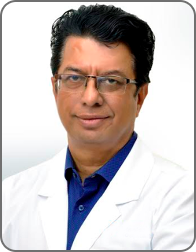
Medical Director, Ankur Healthcare Pvt. Ltd., Bengaluru
Medical Director, Andrology, Urology and Continence Centre, Gleneagles Hospital, Singapore
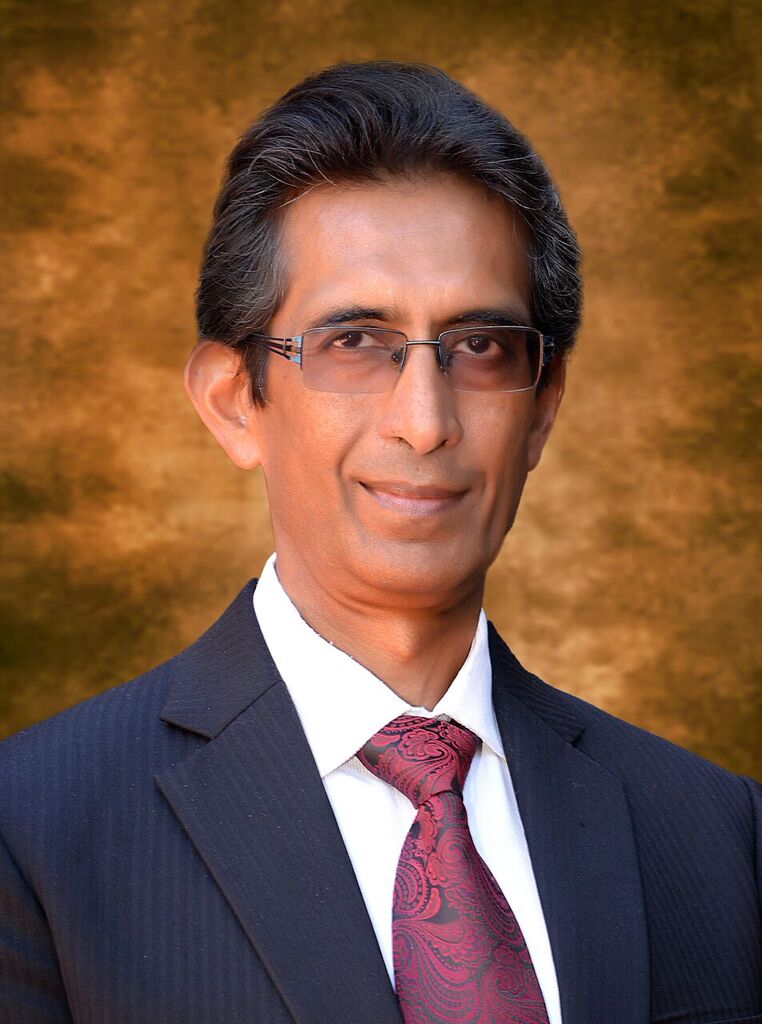
Consultant Andrologist & Microsurgeon, Lilavati Hospital, Mumbai
Senior Anatomist, St. John's Medical College, Bengaluru
Associate professor, University of Miami, Florida
Clinical Director and Founder, SCM and Diyos Hospital, New Delhi

Clinical Director of Dr. Patil's Fertility and Endoscopy Clinic, Bengaluru

Sr. Professor and HOD, Urology, SMS Medical College, Jaipur
Consultant Reproductive Medicine, Ankur Healthcare Pvt. Ltd., Bengaluru
Microsurgical Andrologist and Urologist, Apollo Hospital, Chennai
Professor of Urology, Karwar Institute of Medical Sciences, Sirsi

Consultant Microsurgical Uro-Andrologist, AIG Hospitals, Hyderabad
UroAndrologist and Microsurgeon, AndroOne Men's Health Clinic, Salem
Consultant Microsurgical Andrologist & Urologist,Bengaluru

Consultant Consultant Microsurgical Andrologist, Hyderabad
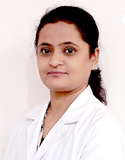
Senior Embryologist, Ankur Healthcare Pvt. Ltd., Bengaluru
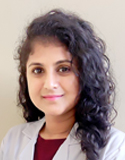
Consultant Embryologist, Ankur Healthcare Pvt Ltd., Bengaluru
The information in this educational programme is provided for medical education purposes only and is not meant to substitute for the independent medical judgment of a physician relative to diagnostic and treatment options of a specific patient's medical condition. The viewpoints expressed in this course are those of the authors/ faculty/experts. They do not represent an endorsement by 'Us'. In no event will 'We' be liable for any decision made or action taken in reliance upon the information provided through this course.
The above authors have indicated they have no relationship which, in the context of their presentations, could be perceived as a potential conflict of interest

Courses adhere to a very high peer reviewed quality with a clean visual design and intuitive navigation of authentic learning material.

World renowned professional experts in their respective fields conceive and author courses that are a window to their extensive knowledge.

Course authors are practicing professionals with a strong knowledge of research and teaching principles. Courses are a blend of theoretical concepts with the real-world experience in the field.

Courses are concerted with modular learning units that guide the learner in a progressive learning path. The learning experience is augmented by contextual assessments to enhance retention of knowledge.