
For Course Consultation
Contact Us
Refer & Earn
Course Fee - INR 150000
Accredited By




SASSM Fellowship in Sexual Medicine – Hybrid Program is designed to strengthen clinical expertise in the evaluation and management of sexual dysfunction through six months of self-paced online learning and five days of onsite practical training. The curriculum covers sexual history-taking, erectile and ejaculatory disorders, female sexual dysfunction, psychosexual therapy, penile duplex Doppler, intracavernosal injection simulation, priapism, Peyronie’s disease, penile prostheses, and STI/HIV assessment. Through evidence-based case discussions, demonstrations, supervised simulations, and counselling practice, the program helps healthcare professionals enhance diagnostic accuracy, clinical decision-making, and patient-centred sexual healthcare.


Self-paced, 6 months online learning+ 5 days onsite practical training

No. of Batches per Year: 3 Student Intake per Batch: 5

Credits: 107 CPD Hours

Hours of effort
2.5 hours/ week
 Gain the knowledge and skills required to deliver sexual and reproductive healthcare
Develop interviewing, history-taking, clinical evaluation, diagnosis and care-planning skills
Understand the theoretical and practical approaches to sexual and marital problems and their management
Learn management approaches for sexually transmitted infections (STIs)
Identify possible causes of infertility in men and women and understand relevant medical management approaches
Understand options for sexual and reproductive health promotion
Understand the evaluation and treatment of erectile dysfunction, Peyronie's disease and other male sexual dysfunctions
Develop a structured approach to comprehensive men's health evaluation
Understand the sexual and reproductive health needs of local communities
Understand the sexual and reproductive health needs of local communities
Apply evidence-based approaches to sexual and reproductive health programs
Evaluate the effectiveness of reproductive health interventions
Assess the circumstances and contributing factors associated with the development of sexual dysfunction
Assess common reversible causes of infertility and understand their treatment options
Carry out psychosexual counselling and behavioural exercises within the learner's professional scope
Manage common STIs within the learner's professional scope and identify appropriate referral needs
Urologists
Sexual Medicine Specialists
Reproductive Medicine Specialists
Obstetricians and Gynecologists
General Physicians
Postgraduate Medical Students
Psychiatrists
Dermatologists
Sexual Dysfunction Management
MBBS doctors
Doctors who have completed Post Graduation in their respective field
Must be a South Asian Society for Sexual Medicine (SASSM) Member
The case for men's health
Sexual development Male and Female - Sexual Response Cycle and its Determinants
Anatomy of the male reproductive system
Development of the Male Reproductive System
Spermatogenesis and Spermiogenesis
Sperm Transport and Maturation
HPG axis in Men and its Role in Spermatogenesis
Seminal Plasma and Its Role
Hypothalamus and Pituitary Disorders
Hormones in sexual development / behavior
Evaluation of Puberty
Components of Adolescent Sexuality and terms related to it
Stages of sexuality development in adolescents- early, mid and late
Assessing sexual health - HEADSSS / psychosocial history and sexual health history
Sexual Behaviour and STD
Media and Adolescent sexuality
Comprehensive Sexuality Education
Effects of Tobacco on Sexual Health
Relevant history taking and problem classification
Mindfullness in sexual therapy - the new trend
Steps of Mx of psychogenic ED: Psychotherapy or Drugs - alone or combined? how to choose?
Sex Therapy for PME - Is there a role?
Limitations & concerns of sex therapy
Inflammation and Sexual Dysfunction
Relevance of endothelial testing
Using PDE5 inhibitors effectively
Management of Non-Responders to PDE5 Inhibitors
Erectile Dysfunction - evaluation. A practical, therapy-guided approach for the urologist
Introduction to Penile Prosthesis
Penile Prosthesis - types and approaches
Complications of Penile Prosthesis
Management of Priapism
Congenital Penile Curvature & Peyronie’s Disease
Late Onset Hypogonadism
Case Scenarios
Genital dermatoses those can result in Sexual Dysfuntions
Certain genital conditions raises concern and Sexual Dysfunctions
Genital Hygiene
Balanoposthitis and vulvoginitis
Epididymitis, Orchitis, epididymo-orchitis and prostatitis
Genital discharges in men
Female Genital Discharges
Impacts of STI-HIV on marriage, parenthood and resuming sex after treatment
Myths and misconceptions on STI-HIV
Serology of Syphilis and HIV
Post exposure prophylaxis, preexposure prophylaxis and universal work precautions
Venerophobia and HIV Phobia
Psychiatric disorders and sexual problems - Introduction
Treatment of psychiatric disorders and treatment emergent sexual dysfunctions
Adult Sexual Violence: Harassment, Assault and Rape
Sexual Addiction Disorders
Pornography & Sexuality
Sexual evaluation by geriatrician perspective & Mx.
Approach to erectile dysfunction in diabetes
Retrograde ejaculation - Management
Patient concerns in young: shrinkage/lack of early morning/thin semen/decrease in force of ejaculation
Premature Ejaculation - Treatment advances and future
LGBTQIA+
Traction devices of length and peyronies
Testicular, penile and postejaculatory pain - Mx. and role of surgery
Hypoactive sexual desire disorder
Phimosis: Foreskin Stretching devices
Infertility & Sexual Dysfunction
Case Scenarios
Sexual Medicine and Sexual Dysfunction
PME - Clinical Challenges And Treatment Modalities
Sexual Desire Disorders - Part 1
Sexual Desire Disorders - Part 2
Purpose of knowledge & knowhow in gender issues
Terminologies : Why the changes? Present state of art
Hormone therapy
History, Investigation & classification of the problem
Female Hypoactive sexual desire disorder(HSSD)
Hypoactive sexual desire disorder(HSSD) in women
Medical Management of Female Sexual Dysfunction: Critical Evaluation of Drugs
Don't know whether I have orgasms
UTI and Sex
Treatment of Vaginismus
FSD - Vaginismus
Dyspareunia
Urological issues with Sex
Flibanserin
Mistakes in Use of PDE5 Inhibitors Leading to Failure of Therapy
Using PDE5I's
Testosterone/DHEA
Fat Derived Stem Cell Girth Augmentation
Use of Fillers and more
Peyronies disease treatment
Peyronies Disease - Treatment with Injection & other drugs
Solutions for Psychological Problems for Sexual Dysfunction
Male to Female (MTF) - Part 1 - Gender Reaffirmation Surgery - Surgical Priniciples - Procedures
Male to Female (MTF) - Part 2 - Gender Reassignment Surgery - Surgical Steps: Live Video
How to evolve a multidisciplinary practice
ED Management Overview
Premature ejaculation diagnosis and management
Practise structured sexual-history consultations, questionnaire scoring and indication-led examinations using simulated patients and models
Apply cardiovascular/endocrine risk assessment, focused ED investigation, penile Doppler interpretation, prescribing counselling and emergency referral decisions in guided exercises
Develop psychosexual formulation, couple-counselling and behavioural-coaching skills through observed role-play
Apply genital-dermatology, STI/HIV, adolescent-health and safeguarding knowledge to image-based and simulated clinical cases
Explore surgical decisions, penile prosthesis counselling and Peyronie's disease management through approved videos, models and case discussion
Practise inclusive gender-care communication, specialist referral and service planning, and demonstrate progress through a baseline assessment, formative logbook and structured final assessment
Document assessed simulated consultations, questionnaire scores, model-based examination tasks and clinical decision records
Complete observed model-based safety tasks, emergency-recognition/referral drills, and interpretation of anonymised imaging and investigation results
Record assessed psychosexual, couple, STI/HIV, adolescent and sensitive-disclosure counselling exercises with appropriate consent and referral decisions
Complete a structured surgical case review, device/management-choice counselling, an inclusive consultation and a one-page multidisciplinary service/referral checklist
Complete the four-station OSCE, formative logbook review, faculty feedback and next-step improvement plan, with competency sign-off under an approved institutional standard
S1.1 Orientation, baseline assessment, consent and chaperone induction | 30 min
Competency: Demonstrate a consent-and-chaperone opening, identify the learner's authorised role and record the baseline assessment.
Training activities: Complete the individual baseline case test and practise teaching-specific consent, confidentiality limits, the chaperone offer, and the right to stop. Agree fictional-case, no-recording and no-personal-disclosure rules. Explain the separate permissions needed for clinical observation.
Practical outcome: Record the baseline score and learner code. Assess the consent opening against purpose, choice, chaperone, confidentiality and stop-right criteria; record and correct any safety omission before further practice.
S1.2 Structured sexual history and problem classification - simulated patients | 75 min
Competency: Conduct a structured simulated sexual history and formulate a patient-centred problem summary with triage and follow-up.
Training activities: Use inclusive, permission-based questioning about desire, arousal, erection, ejaculation, orgasm, pain, medicines, relationships, fertility goals and distress. Retain one observed consultation and two brief mini-cases; use the mini-cases for delayed/absent ejaculation and a dry-ejaculate/possible retrograde presentation.
Practical outcome: Log one observed consultation and two written mini-case decisions. Document symptom classification, relevant contributors, referral urgency and a review plan; do not diagnose retrograde ejaculation from symptoms alone.
S1.3 Validated questionnaires and objective measures - scoring and interpretation | 45 min
Competency: Score the supplied questionnaires accurately and explain their diagnostic and population limitations.
Training activities: Score SHIM/IIEF-5 and PEDT and interpret an FSFI example. Treat the historical FSFI 26.55 cut-point as a teaching reference, not a stand-alone diagnosis. Check instrument version, language, missing responses and applicability; AMS scores do not diagnose hypogonadism.
Practical outcome: Complete six teaching instruments against the approved scoring key and one patient explanation. Record scoring errors, interpretation limits and corrected responses; distress and clinical context must be considered.
S1.4 Indication-led genital examination - male and female models | 75 min
Competency: Demonstrate an indication-led external genital model examination and explain the limits of internal examination.
Training activities: Practise male external genital examination and a consent-led vulval/pelvic assessment sequence using models only. Explain indication, privacy, chaperone, hygiene and referral boundaries. Any demonstration of internal examination remains on a model and within the learner's authorised educational role.
Practical outcome: Complete a model checklist and documentation exercise, recording the steps actually observed. No peer or patient intimate examination is required; attendance does not certify independent intimate-examination competence.
S1.5 Cardiovascular and endocrine risk stratification before ED treatment | 45 min
Competency: Separate sexual-activity cardiac risk from longer-term cardiovascular risk and select the appropriate basic ED assessment.
Training activities: Apply Princeton IV sexual-activity risk categories; distinguish them from a 10-year cardiovascular-risk estimate. Review glucose or HbA1c and lipids if not assessed in the past year, and morning fasting total testosterone in the ED work-up. Interpret a low result with symptoms and repeat testing; include a fertility-goal safety case.
Practical outcome: Complete the risk form and eight brief decisions, including urgent referral, further cardiac assessment, low-testosterone reassessment and avoiding an inappropriate testosterone plan for someone seeking fertility treatment.
S1.6 Clinic documentation, boundaries, confidentiality and medicolegal safety | 30 min
Competency: Produce a clinic documentation and escalation workflow that separates teaching consent, care consent and statutory duties.
Training activities: Complete a supplied SOP template for consent, chaperones, teaching images, access controls, retention, referral and safeguarding. Use a current Indian legal-reference card for child-protection reporting and HIV confidentiality; internal escalation must not replace a legal reporting duty.
Practical outcome: Submit a one-page SOP outline and one documented confidentiality dilemma. Identify the named institutional owner, information-sharing limits and the route requiring direct statutory reporting where applicable.
S2.2 Intracavernosal injection safety and ischaemic priapism emergency drill | 60 min
Competency: Demonstrate model injection-safety principles and promptly escalate a suspected ischaemic or prolonged post-injection erection.
Training activities: Rehearse on a task model only; interpret three sample cavernosal-gas results and activate urgent specialist assessment. An erection reaching four hours is an emergency warning, not an instruction to wait when concerning symptoms or a prolonged post-injection erection occur earlier. Aspiration/phenylephrine is clinician protocol awareness, not a learner patient procedure.
Practical outcome: Record one model task, three gas interpretations and a timed referral drill. Assess emergency recognition, no-delay escalation and handover; no learner injection or rescue treatment on a patient.
S2.3 Penile duplex Doppler - case interpretation and simulated orientation | 90 min
Competency: Interpret four archived penile duplex studies and explain technique-related limitations; demonstrate orientation only if a simulator is available.
Training activities: Interpret indications, adequacy of response, PSV, EDV and RI in four anonymised studies. Retain the EAU teaching reference values (PSV >30 cm/s, EDV <3 cm/s, RI >0.8), but consider protocol and false-positive limitations. Probe orientation is simulated where equipment is available; interpretation remains the core task.
Practical outcome: Submit four structured interpretations with technique caveats and next steps. Record simulator orientation separately as observed or not assessed. Do not claim image-acquisition or diagnostic scanning competence from archived-image work.
S2.4 PDE5 inhibitors - safe prescribing counselling and non-response | 45 min
Competency: Deliver safe PDE5-inhibitor counselling and distinguish a contraindication from apparent treatment non-response.
Training activities: Use medication reconciliation and a local product-information card to check nitrate/NO-donor, nicorandil and relevant soluble-guanylate-cyclase-stimulator interactions, cardiovascular suitability and prescribing scope. Coach timing, stimulation and formulation-specific food effects; review apparent non-response before escalation.
Practical outcome: Complete a two-minute counselling encounter, one contraindication case and three non-responder plans. Record the unsafe combination, a safe next step and a planned review; learners without prescribing authority provide education and referral only.
S2.5 Office devices - vacuum, traction and shockwave evidence counselling | 60 min
Competency: Teach back vacuum-device safety and provide balanced counselling on traction and shockwave options.
Training activities: Use a vacuum-device model for teach-back, including contraindications, safe ring use and manufacturer instructions. Compare traction indications and explain the selected/limited evidence for low-intensity shockwave treatment; distinguish it from unvalidated device claims. No patient treatment is included.
Practical outcome: Complete one VED teach-back and two device-choice cases. Assess risk explanation, realistic expectations and stopping advice; actual traction/shockwave equipment demonstrations remain conditional and are not competence sign-offs.
S3.2 Sensate focus - individualised couple counselling skills lab | 60 min
Competency: Explain a voluntary, individualised sensate-focus plan and respond safely to reluctance, pain or coercion.
Training activities: Practise a verbal simulated-couple explanation of graded, non-performance-oriented exercises. Seek both partners' agreement and screen for pain, trauma and coercion. Do not require touching, undressing, personal sexual disclosure or enactment between learners or role-players; agree a review point.
Practical outcome: Complete the couple teach-back, a fictional homework plan and responses to two barriers. Assess choice, non-coercion, pacing and stopping/referral advice; feedback is based on communication, not enactment.
S3.3 Premature ejaculation - behavioural coaching and treatment choice | 60 min
Competency: Classify premature-ejaculation complaints and deliver a non-coercive explanation of treatment choices.
Training activities: Use control, distress, context and latency to distinguish lifelong, acquired, variable and subjective complaints. Practise stop-start coaching verbally, consider associated ED and compare options within the learner's role and locally approved prescribing information.
Practical outcome: Complete one simulated coaching encounter and five brief vignette decisions. Record classification, associated contributors, a treatment/referral rationale and follow-up; no behavioural exercise is enacted on a person.
S3.4 Genito-pelvic pain / penetration concerns - model-based dilator counselling | 60 min
Competency: Formulate a safe initial response to penetration-related pain and demonstrate patient-led dilator education on a model.
Training activities: Assess symptom pattern, relevant physical contributors, trauma flags and indications for specialist examination. Explain patient-led graded dilator use on a model, comfort-based pacing and when pelvic-floor physiotherapy or other assessment is needed; do not presume every pain complaint is vaginismus.
Practical outcome: Complete one sensitive counselling simulation, one model instruction checklist and two referral decisions. Record voluntary participation, stop advice and referral rationale; no peer/live intimate examination or treatment.
S3.5 Desire concerns and the couple with discordant desire | 45 min
Competency: Distinguish distressing desire concerns from mismatch, and identify relevant arousal or orgasm concerns without blame.
Training activities: Use two brief cases: desire discrepancy without automatically assigning pathology, and an arousal/orgasm concern with possible medication or other contributors. Discuss consent, distress, pain, mood and context; explain that hormone levels alone do not establish HSDD and that medicine eligibility needs local review.
Practical outcome: Submit two formulations and complete a simulated couple consultation. Document the concern, relevant contributors, shared next steps and follow-up; include an appropriate specialist/medication-review referral when indicated.
S3.6 Mindfulness-based strategies and limits of sex therapy | 30 min
Competency: Facilitate a brief optional grounding exercise and identify cases needing mental-health or safeguarding referral.
Training activities: Offer an eyes-open or alternative grounding exercise with opt-out. Discuss functional impairment and impaired control when considering compulsive sexual behaviour; moral disapproval or high sexual interest alone is insufficient. Screen scripted cases for acute mental-health, trauma and safeguarding concerns.
Practical outcome: Complete a three-minute observed grounding micro-skill and four short written referral decisions. Record consent, stop response, non-stigmatising language and appropriate escalation; this is not certification in psychotherapy.
S4.2 The prepuce - phimosis, paraphimosis and circumcision decisions | 45 min
Competency: Distinguish uncomplicated foreskin concerns from scarring disease and urgently escalate suspected paraphimosis.
Training activities: Compare non-scarred and scarred phimosis, including possible lichen sclerosus. Recognise paraphimosis as urgent and rehearse the recognition/response sequence on a trainer under supervision; explain topical-care versus specialist/surgical decisions without forced stretching.
Practical outcome: Complete one trainer checklist and four case decisions. Document the emergency pathway and scarring-disease referral; the exercise does not authorise learner reduction or treatment on a patient.
S4.3 STI syndromes, point-of-care testing and specimen workflow | 60 min
Competency: Choose a defensible syndrome/testing pathway and complete a safe simulated specimen and follow-up record.
Training activities: Apply a locally approved NACO/WHO-aligned algorithm to three discharge, ulcer or pelvic-pain cases. Include an urgent alternative diagnosis where relevant. Practise label verification and interpretation using props and prepared results; add partner services, prevention advice and follow-up.
Practical outcome: Submit three decisions, one test-panel interpretation and one specimen/referral checklist. Record site/test selection, identifiers, urgency, confidentiality and review. No intimate patient sample collection or live specimen processing is included.
S4.4 Syphilis/HIV serology, PEP, PrEP and U=U counselling | 45 min
Competency: Interpret paired STI/HIV test scenarios, triage an HIV exposure without delay and explain the limits of U=U.
Training activities: Interpret two prepared serology examples and two exposure scenarios. Explain PEP as soon as possible, ideally within 24 hours and no later than 72 hours, with a 28-day course when indicated. State that sustained HIV RNA <200 copies/mL on ART prevents sexual HIV transmission, not other STIs; explain adherence and follow-up. [R7, R8] Distinguish PEP from PrEP and identify when PrEP assessment or review is needed.
Practical outcome: Complete two test interpretations, two timed PEP/referral decisions and one U=U teach-back. A negative early test must not falsely reassure after a relevant exposure; actual testing windows, regimen and follow-up follow the approved local card.
S4.5 Difficult disclosures and first response to sexual violence | 45 min
Competency: Respond safely to an HIV-disclosure dilemma and to a sexual-violence disclosure while preserving choice and urgent care.
Training activities: Use fictional adult-role simulations for partner-disclosure support and first response to sexual violence. Assess immediate safety, urgent medical needs and consent; avoid investigative questioning. Apply HIV confidentiality law through an approved decision card and activate the local clinical/medico-legal pathway.
Practical outcome: Complete two focused conversations with referral/documentation notes. Record consent, immediate needs, lawful information-sharing and safety planning. No learner forensic collection or unsupervised survivor assessment.
S4.6 Adolescent sexual health - HEADSSS and safeguarding | 30 min
Competency: Deliver a developmentally appropriate confidentiality opening and respond correctly to three safeguarding scenarios.
Training activities: Use a trained adult actor portraying an adolescent, never an actual minor for this teaching exercise. Practise HEADSSS questioning with clear confidentiality limits. Apply POCSO reporting duties using an approved Indian legal card, including reporting to the Special Juvenile Police Unit or local police where required.
Practical outcome: Complete one brief observed interview opening, three written safeguarding decisions and a confidentiality statement. Internal notification does not substitute for statutory reporting; refer uncertainty promptly to the designated safeguarding lead without delaying required action.
S5.2 Penile prosthesis - device handling, selection and informed consent | 45 min
Competency: Distinguish implant types and provide balanced simulated prosthesis-selection and consent counselling.
Training activities: Identify malleable and inflatable components using a model or approved media; demonstrate cycling only when a teaching model is available. Discuss candidacy, infection/mechanical risk, perceived length, alternatives, cost and the implications of implantation without promising normal function or restoration on removal.
Practical outcome: Complete type recognition and one selection/consent role-play. Record model cycling separately as demonstrated or not assessed; no implantation, revision or independent surgical competence is certified
S5.3 Peyronie disease - stage, curvature measurement and management choice | 45 min
Competency: Document simulated curvature consistently and justify an initial management or referral choice by disease phase and function.
Training activities: Use models or approved archived images for two curvature measurements and four phase/management cases. Consider pain, stability, erectile function and bother; explain treatment availability and evidence limitations. Surgery is considered for stable disease with functional impairment; shockwave is not a curvature-correction treatment.
Practical outcome: Record two measurements with the measurement method and four decisions against the faculty key. Numeric measurement tolerance must be set and piloted locally; no injection, patient photography or procedure is required.
S5.4 Gender and sexuality diversity - affirming consultation and specialist pathways | 45 min
Competency: Conduct an inclusive adult sexual/gender-history consultation and explain appropriate fertility and specialist referral options.
Training activities: Use the person's language and distinguish gender identity, sexual orientation, sexual function and distress. Discuss fertility implications before relevant medical/surgical treatment and identify adult specialist referral and monitoring needs. Do not portray gender diversity itself as a dysfunction.
Practical outcome: Complete one observed consultation and a fertility/referral plan. Respect choice and confidentiality; the session does not establish competence to initiate gender-affirming hormones or undertake gender-affirming surgery.
S5.5 Setting up a multidisciplinary sexual medicine service | 30 min
Competency: Complete a one-page service-readiness checklist and identify three achievable implementation priorities.
Training activities: Complete the supplied clinic-planning template for triage, privacy, chaperones, evidence-based communication, referral contacts, equipment priorities and governance. Distinguish items within the learner's role from services requiring additional credentials, personnel or institutional permission.
Practical outcome: Submit one checklist with three priorities, an owner and a next action for each. Peer review is supplemented by faculty review; unresolved dependencies remain visible rather than treated as an operationally approved business plan.
S5.6 Four-station OSCE, logbook review and feedback | 60 min
Competency: Demonstrate sampled consultation, safety, counselling and referral behaviours in a four-station circuit and review the longitudinal logbook.
Training activities: Complete four checklist-rated eight-minute stations with four two-minute transition periods. Use the final 20 minutes for collective feedback, review of pre-checked logbooks and next-step planning. Maximum four learners per circuit; larger cohorts need simultaneous equivalent circuits within the same 60 minutes.
Practical outcome: Record four station results and the logbook review. Competency/award decisions require approved checklists, a documented standard-setting method, safety-critical actions and remediation rules. Without approval, record formative feedback only; no automatic pass or broad practice credential.
The theory examination will be conducted by Ankur Healthcare
The practical examination, comprising clinical assessments, logbook discussions and a general viva, will be conducted by Ankur Healthcare Hospital
Examination results will be announced within one week after the examination
Candidates who do not appear for the examination will not be offered a supplementary examination. They must appear as fresh candidates when the examination is next conducted
Six short questions, 5 marks each (30 marks).
Thirty multiple-choice questions (MCQs), 1 mark each (30 marks).
Two short cases, 10 marks each (20 marks).
Ten spotters, 2 marks each (20 marks)
Logbook assessment covering 10 different cases, 1 mark each (10 marks)
General viva, 30 marks (30 marks)
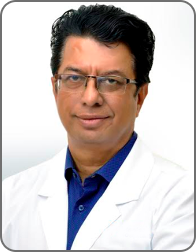
Medical Director, Ankur Healthcare Pvt. Ltd., Bengaluru

Medical Director, Andrology, Urology and Continence Centre, Gleneagles Hospital, Singapore

Consultant Andrologist & Microsurgeon, Lilavati Hospital, Mumbai
Consultant, Nanavati Hospital, Mumbai
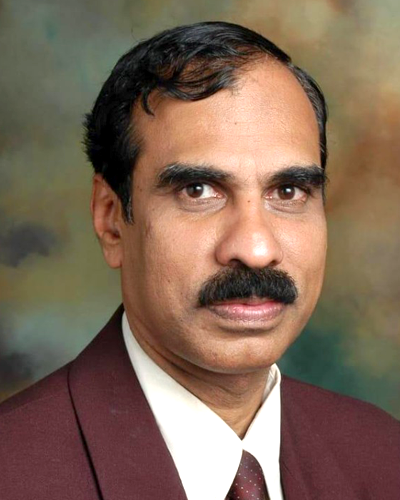
Professor, JSS Medical College, Mysore

Associate Professor, BSMMU, Dhaka, Bangladesh

Senior Sexual Health Physician & Counsellor, Mumbai

Consultant of Sexual Medicine at Apollo Hospitals, Chennai

Head of Andrology & Reconstructive Urology, Kokilaben Hospital, Mumbai

Founder, Tots to Teens Healthcare, Bangalore

HIV Specialist, Shifa Hospital, Tirunelveli
Clinical Director and Founder, SCM and Diyos Hospital, New Delhi

Senior Anatomist, St. John's Medical College, Bengaluru

Sr. Professor and HOD, Urology, SMS Medical College, Jaipur

Microsurgical Andrologist and Urologist, Apollo Hospital, Chennai
Sexologist, Mediwave IVF & Fertility Research Hospital, Mysore

Associate Professor at King George Medical University, Lucknow

Head, Dept. of Clinical Psychology, JSS Medical College, Mysore

Consultant Microsurgical Andrologist & Urologist,Bengaluru
The information in this educational programme is provided for medical education purposes only and is not meant to substitute for the independent medical judgment of a physician relative to diagnostic and treatment options of a specific patient's medical condition. The viewpoints expressed in this course are those of the authors/ faculty/experts. They do not represent an endorsement by 'Us'. In no event will 'We' be liable for any decision made or action taken in reliance upon the information provided through this course.
The above authors have indicated they have no relationship which, in the context of their presentations, could be perceived as a potential conflict of interest

Courses adhere to a very high peer reviewed quality with a clean visual design and intuitive navigation of authentic learning material.

World renowned professional experts in their respective fields conceive and author courses that are a window to their extensive knowledge.

Course authors are practicing professionals with a strong knowledge of research and teaching principles. Courses are a blend of theoretical concepts with the real-world experience in the field.

Courses are concerted with modular learning units that guide the learner in a progressive learning path. The learning experience is augmented by contextual assessments to enhance retention of knowledge.